• 1300-800-2017
  • +609 5681 623/24
  • webtourism16@gmail.com
Tourism Pahang
  • Home
  • Travel Info
    • Transportation
    • Travellers Essentials
      • History Of Pahang
      • The Government
      • Pahang In Brief
      • Weather
      • People And Culture
      • Handicraft
      • Tropical Fruits
      • Food Paradise In Pahang
      • Shopping
      • Getting to Pulau Tioman
      • Weekends & Public Holidays in Pahang
      • Birdwatching Paradise
    • Travel Agencies
    • Latest News
    • Downloads
    • Pahang Travel Guide Book 2026
  • Destination
    • Nature & Adventure
      • Bentong
        • Bentong Happy Farm
      • Temerloh
        • National Elephant Conservation Centre (NECC)
        • Smiling Mountain (Gunung Senyum)
        • Deerland
      • Lipis
        • Kenong Rimba Park
        • Taman Negara Sungai Relau
      • Jerantut
        • National Park (Taman Negara)
      • Raub
      • Lake Chini
      • Sungai Lembing
      • Rompin State Park
      • Bera
      • Maran
    • Highlands
      • Cameron Highlands
      • Genting Highlands
      • Bukit Tinggi
      • Fraser's Hill
      • Janda Baik
    • Islands & Beaches
      • Kuantan
        • Cherating Beach
        • Teluk Cempedak Beach
        • Sepat Beach
        • Balok Beach
        • Kuantan River Cruise
        • Beserah
      • Tioman Island
      • Pekan
      • Rompin
    • Must Visit Places in Pahang!
    • The Waterfalls Of Pahang
  • Calendar of Events
  • Map Of Pahang
  • Talk To Us
    • Tourism Pahang Office
    • ">Our Policies

Weekends & Public Holidays in Pahang

Administrator Travel Info 26 February 2026

In Pahang, the weekend is on Saturday and Sunday, making it a great time to experience local life through bustling morning markets and family outings at parks and waterfalls. Popular spots like beaches and food stalls can get lively as many locals take time to relax with loved ones.

While government offices and banks are closed, shopping malls, tourist attractions, and eateries remain open, providing visitors with ample opportunities to explore. Pahang celebrates a mix of national and state holidays, including Hari Merdeka (Independence Day), Hari Raya Aidilfitri, Chinese New Year, Deepavali, and its own holiday, Hari Keputeraan Sultan Pahang (Sultan of Pahang’s Birthday).

On public holidays, while government offices and banks close, malls, restaurants, and tourist attractions usually stay open and attract more local families.

Getting to Pulau Tioman

Administrator Travel Info 26 February 2026

Getting to Pulau Tioman A tropical paradise off the east coast of Peninsular Malaysia, Tioman Island is known for its crystal-clear waters, coral reefs, and lush rainforests. Getting there is part of the adventure, offering a mix of scenic road trips and picturesque sea crossings.

By Land and Sea

The most popular way to reach Tioman is by bus or car to the mainland jetties, followed by a ferry ride to the island. There are two main departure points which are Teluk Gading Jetty (Pahang) and Mersing Jetty (Johor). From Kuala Lumpur, you can take a direct bus from the Terminal Bersepadu Selatan (TBS) to either Teluk Gading Jetty (Pahang) and Mersing Jetty (Johor), with a journey time of around 5 to 6 hours. From Singapore, buses also travel to both jetties, taking roughly the same duration. 

Prefer to drive?

Renting a car is a great option if you’re looking for flexibility. Both jetties offer parking facilities for those self-driving. Ferry to Tioman Once at the jetty, board a ferry bound for Tioman Island. The crossing takes approximately 1.5 to 2 hours, depending on sea conditions and the specific jetty of arrival on the island. Popular operators include Bluewater Express and CataFerry, with departures scheduled based on tides and weather. Ferries stop at several villages on Tioman, including Tekek, Salang, Paya, Genting, and Juara. Be sure to confirm your drop-off point when booking.

Tip: Ferry tickets should be booked in advance,especially during weekends, school holidays, and festive seasons.

Cameron Highlands - Spring All Year Round

Administrator Travel Info 15 October 2024

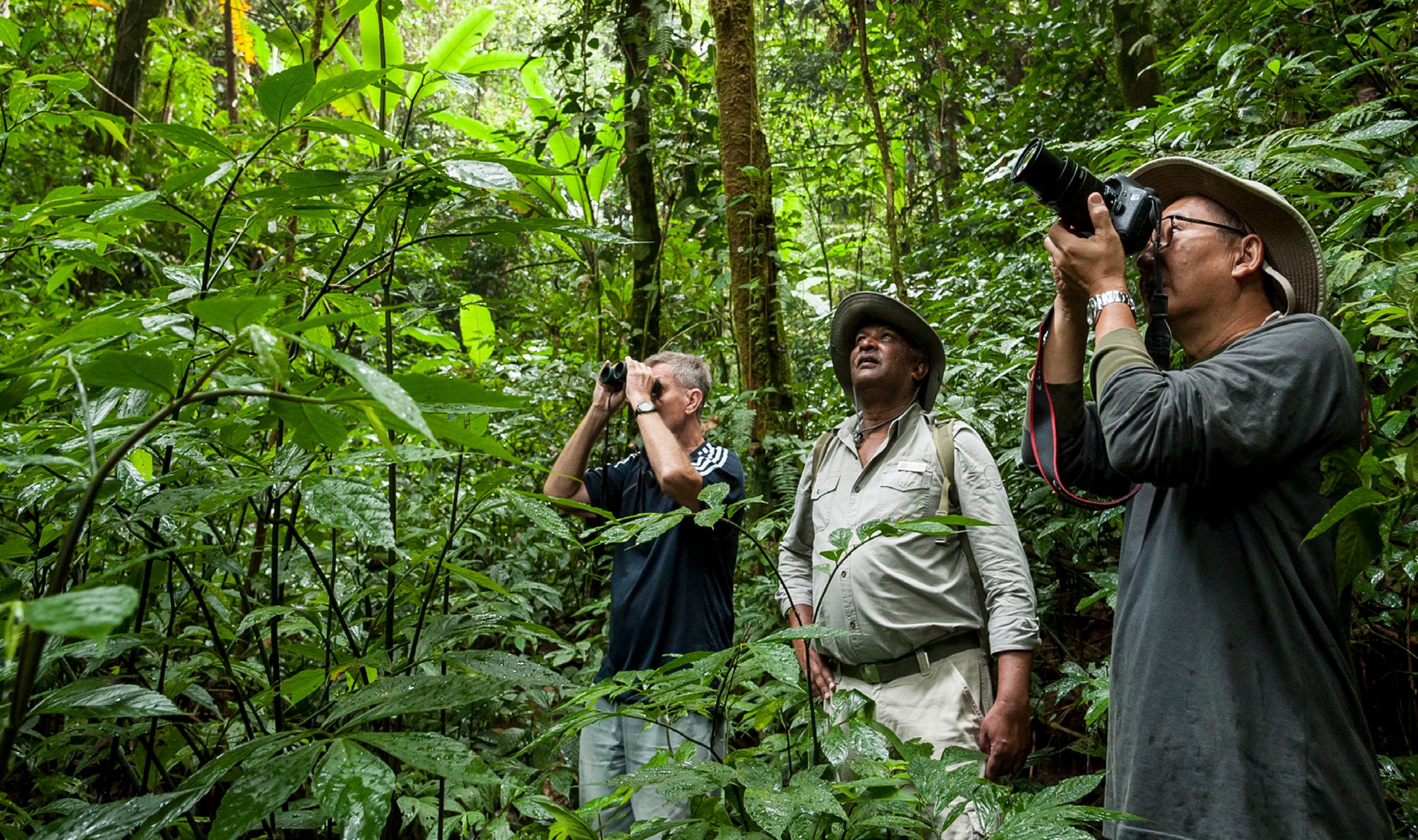
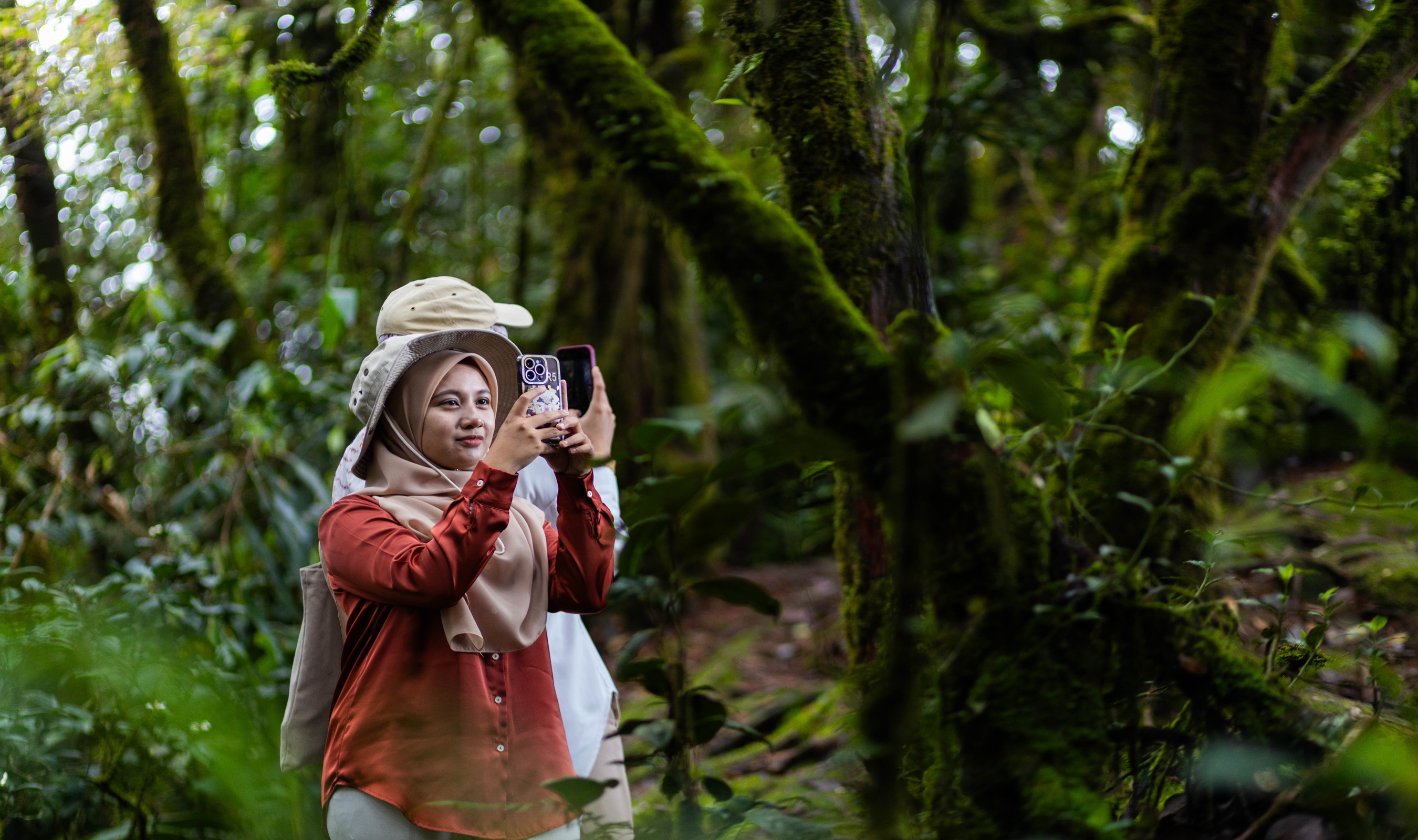
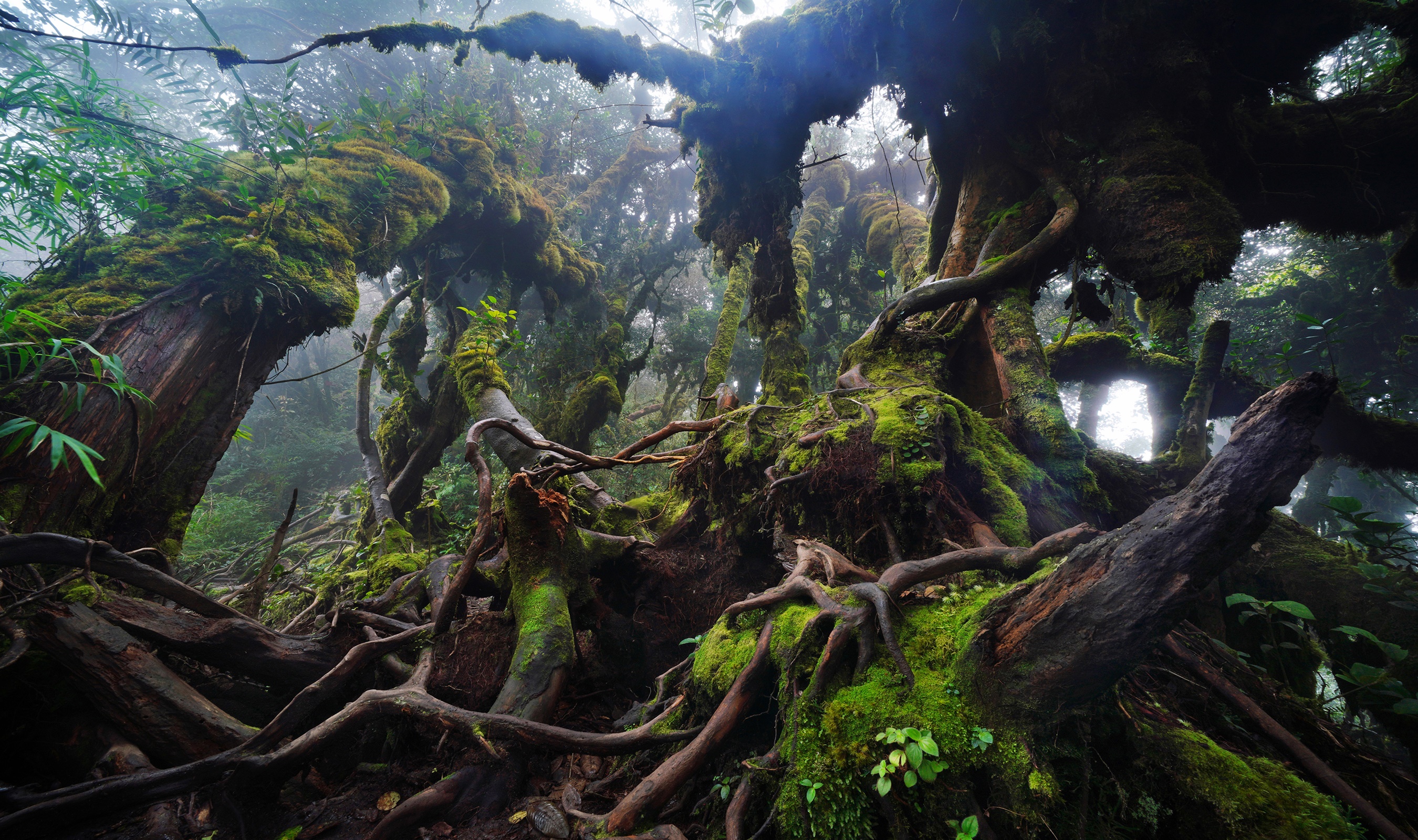
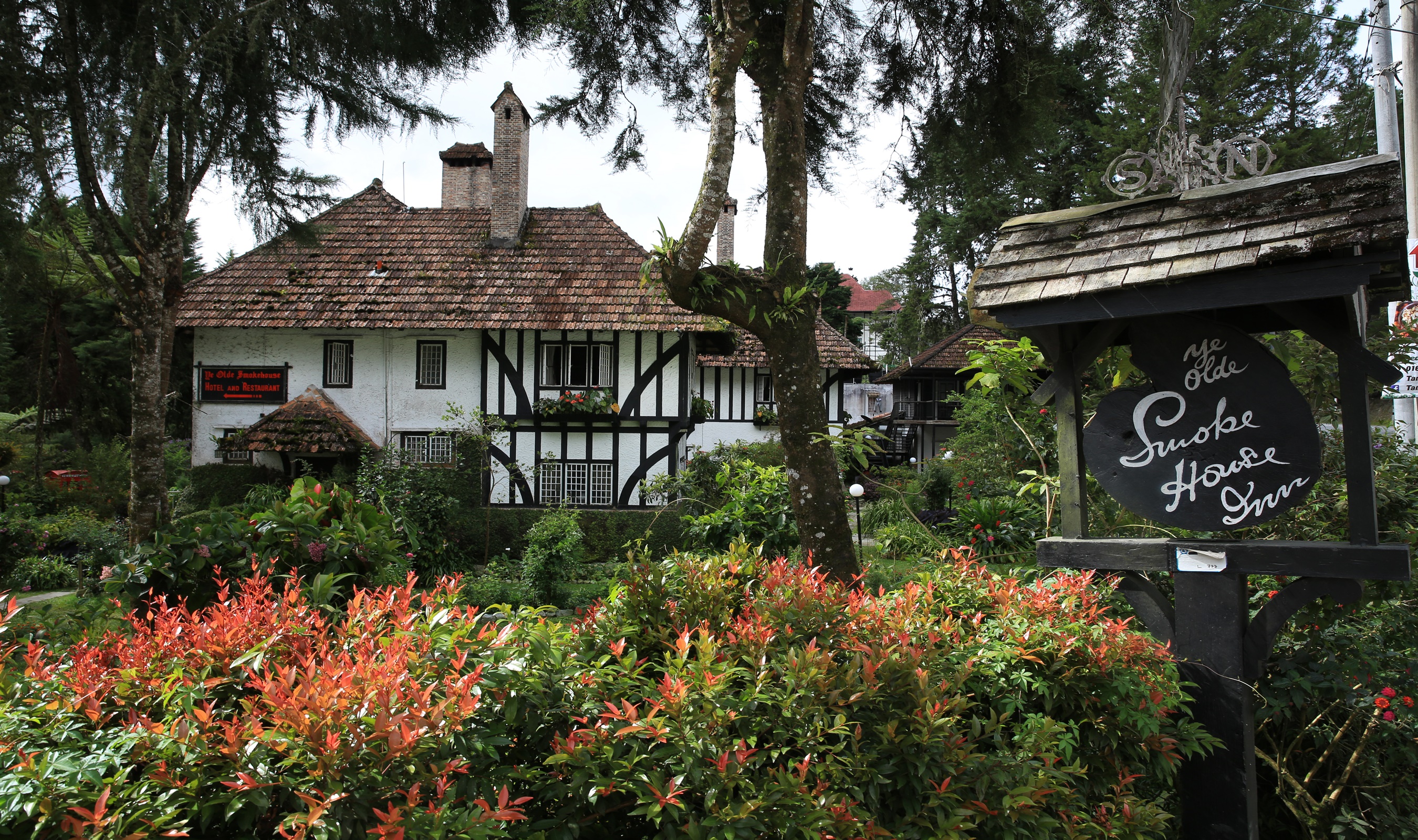
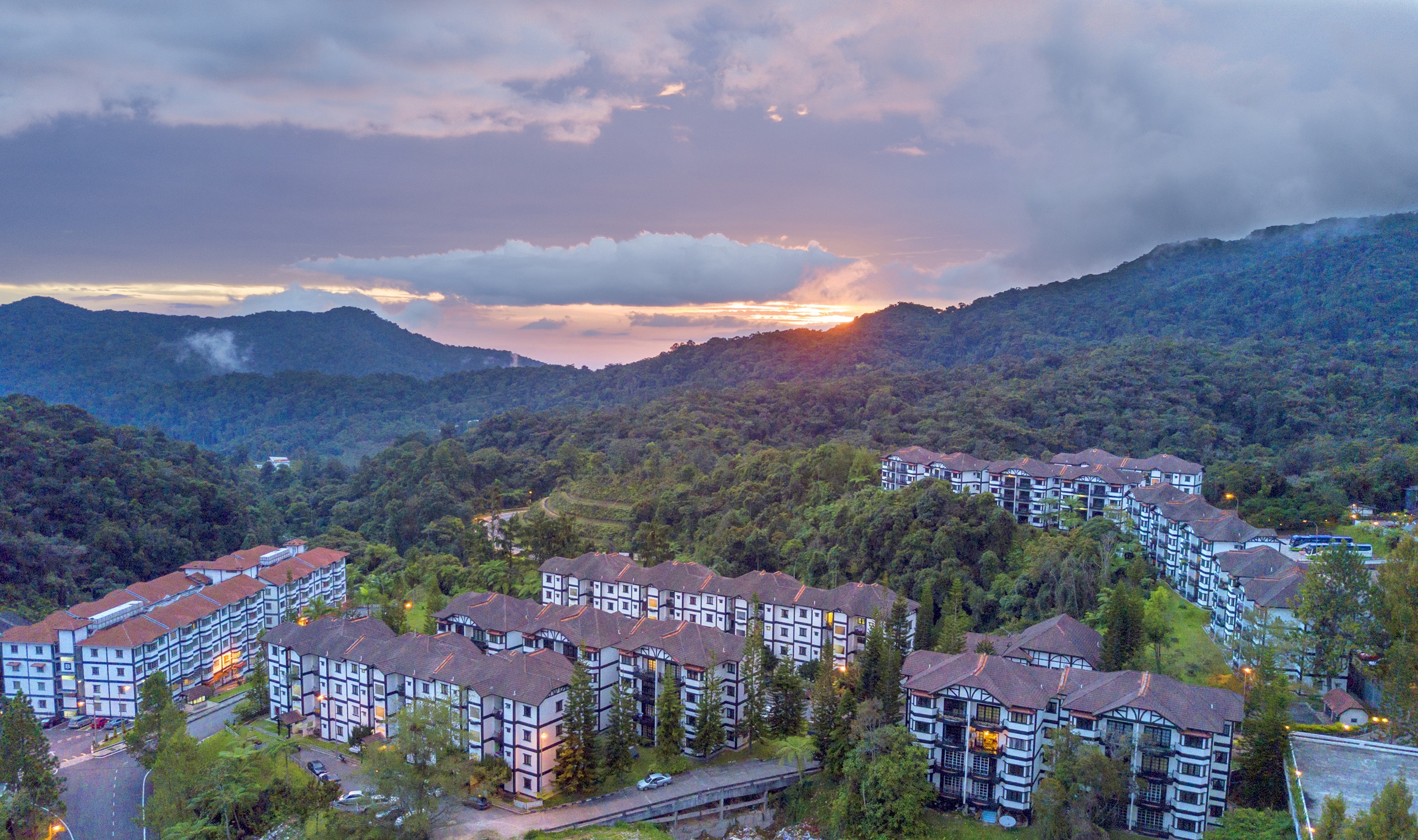
In 1885, surveyor William Cameron, described the 1,500 m-high Cameron Highlands as, ‘a fine plateau with gentle slopes, shut in by lofty mountains.’ For decades, the idea of heading for the hills has appealed to many, with hill stations being developed throughout Asia as an escape from the tropical heat and humidity of the lowlands. Fraser’s Hill and the Cameron Highlands are two hill stations located in Pahang. They developed as holiday destinations in the 1920s and flourished as there were few other options. The Cameron Highlands provided a venue for expatriates especially to enjoy a climate similar to Europe. Tudor Revivalist architecture was popular back then, and mock Tudor-style bungalows were built and gardens were established. The Cameron Highlands extend up to Gunung Brinchang at 2,032 m altitude, and the mossy forest that flourishes here is one of the highlands’ most enchanting sights. Farming activity and the unique patterns of tea plantations provide inspiration to many visitors. Visitors can also hike forest trails with an experienced guide.

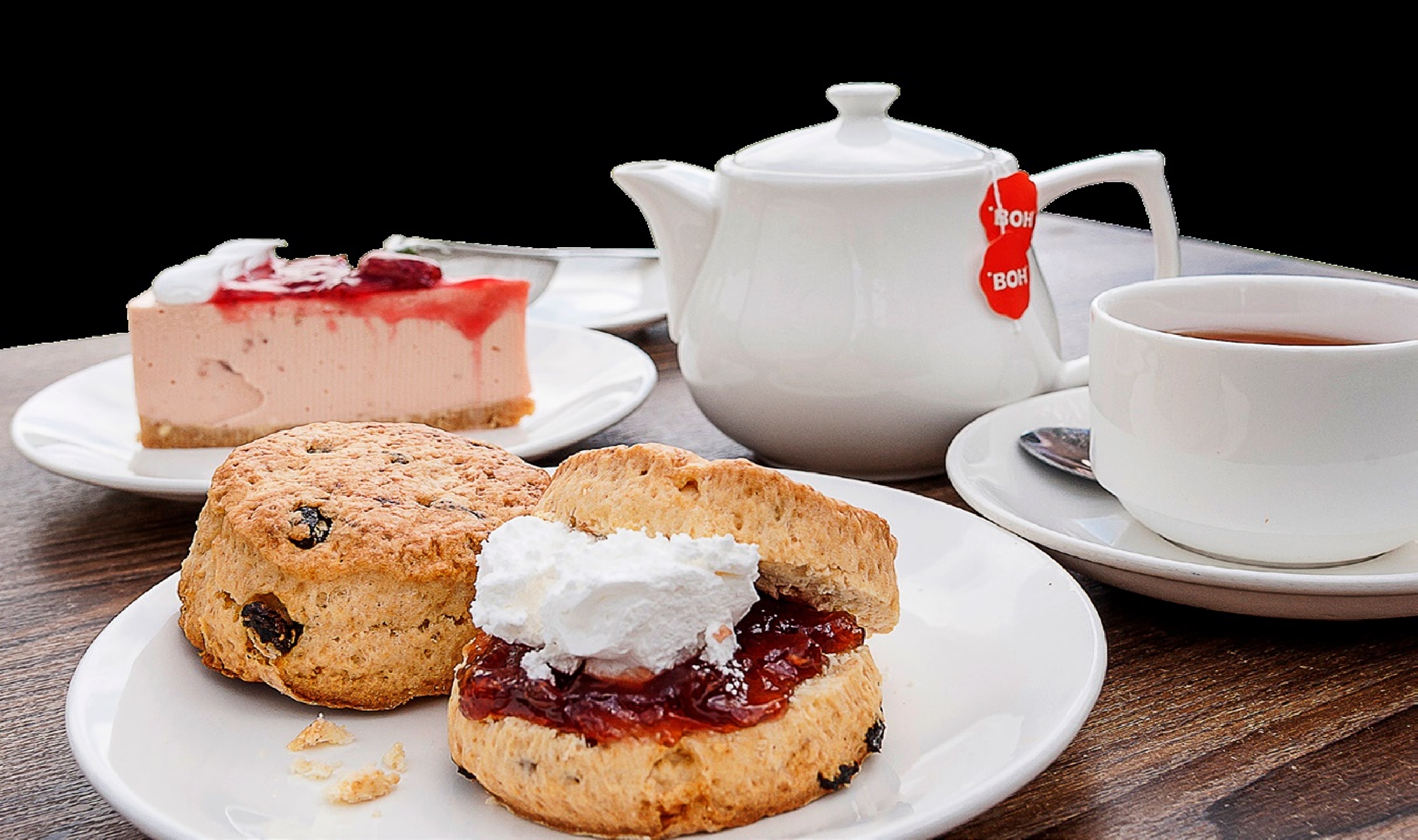
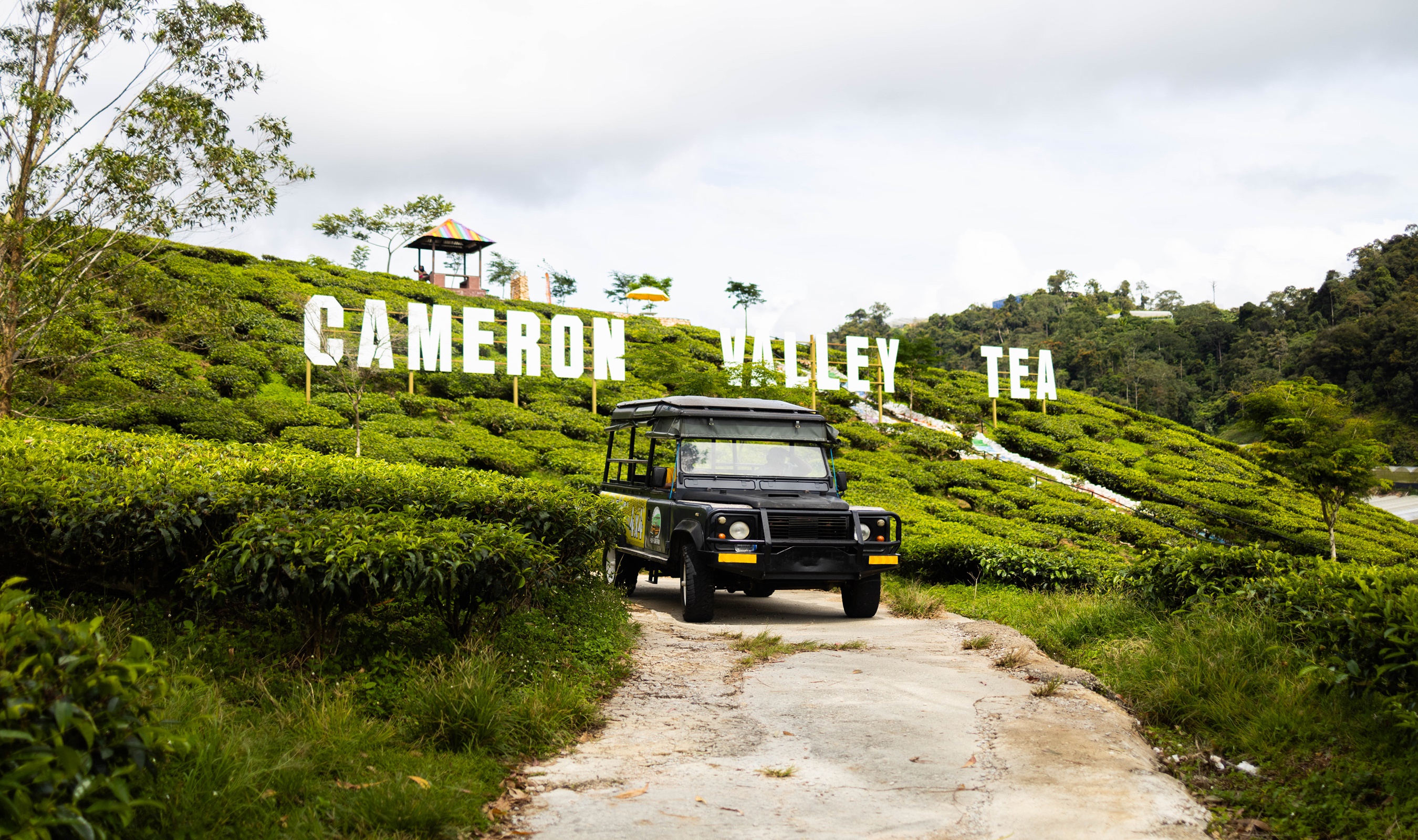
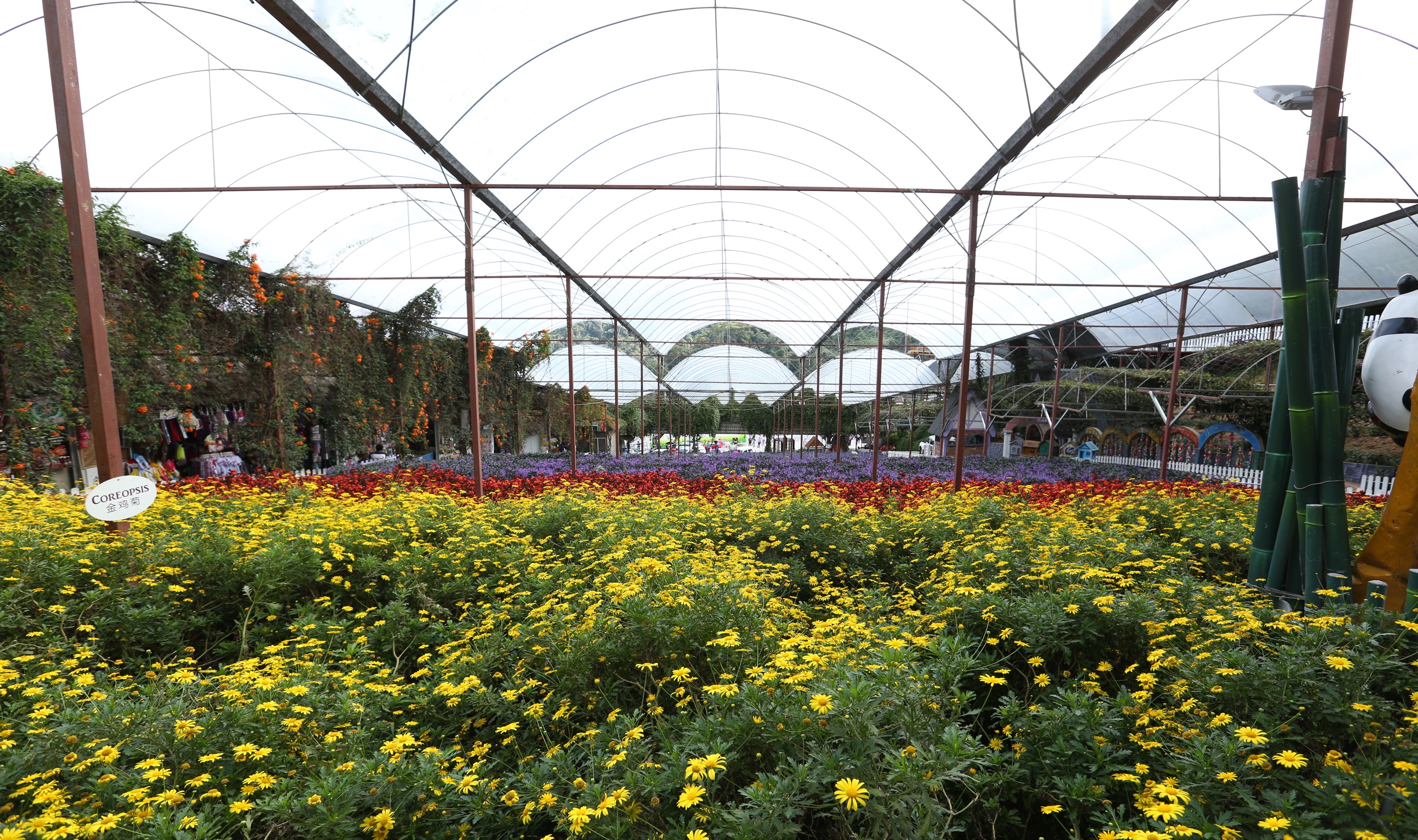
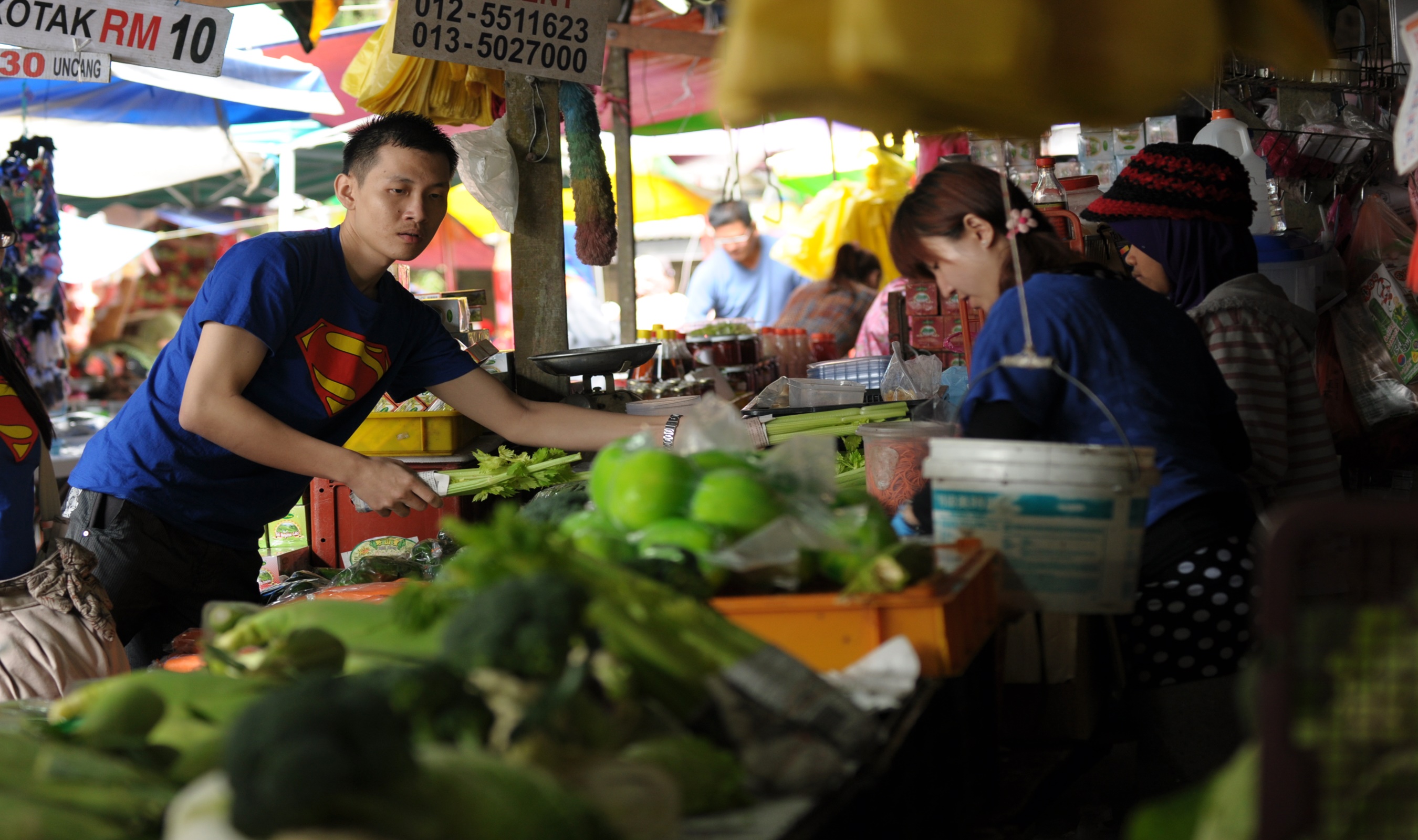
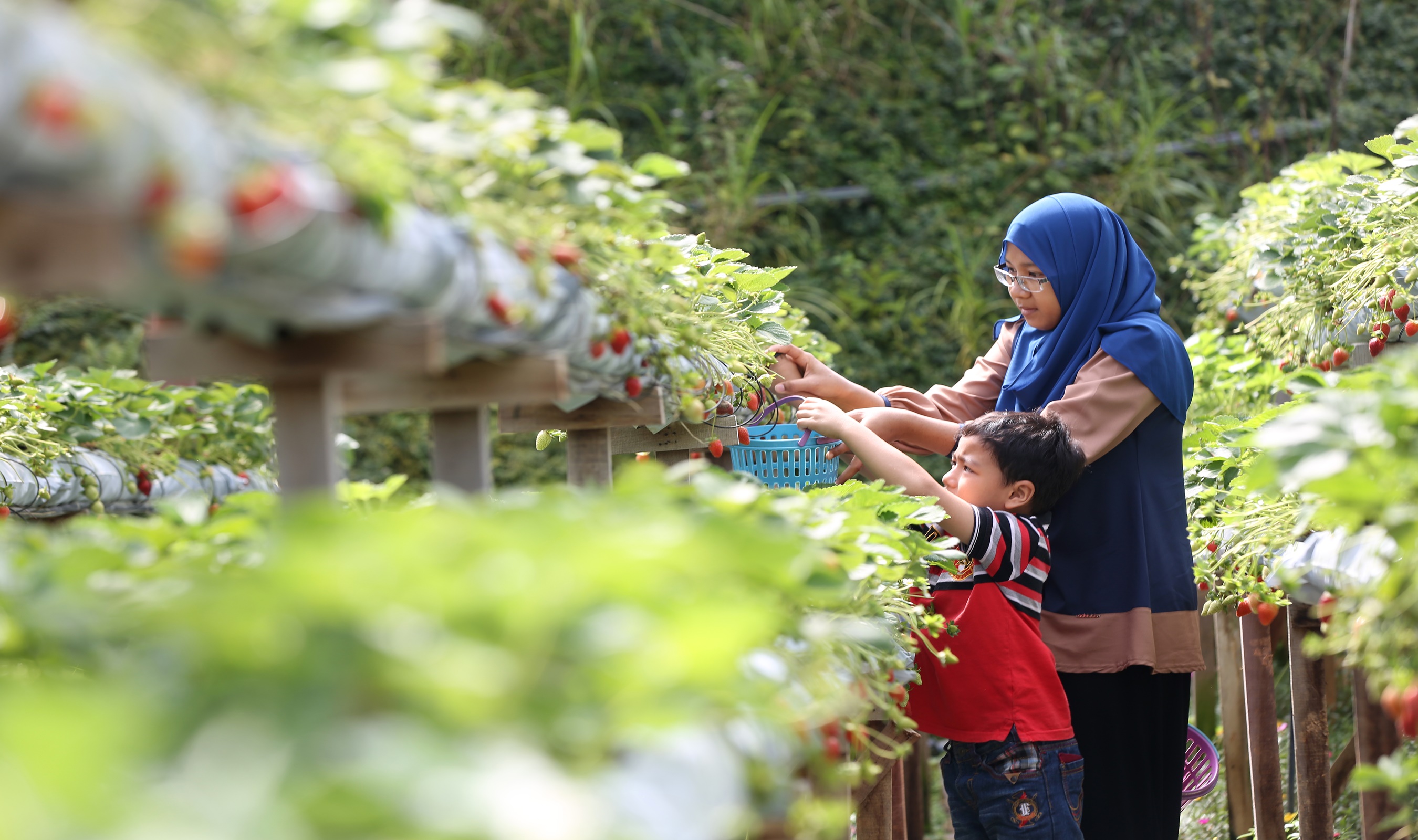
There are several mountain attractions, including strawberry farms, flower gardens, cacti nurseries, markets, a butterfly farm and honey farms. Most of Malaysia’s cut flowers, temperate vegetables and fruits are grown in the highlands, and visitors can purchase these products at farms and markets. Enjoying a cream tea of scones, cream and locally produced strawberry jam is one of many indulgences that the visitors can have a taste here. The Cameron Highlands are very much a tourist destination, so there are numerous restaurants, cafés and coffeeshops where specialty local dishes can be enjoyed. Steamboat is a favourite while some outlets specialise in traditional English fare like roast beef and Yorkshire pudding while others serve uniquely Malaysian dishes such as strawberry nasi lemak. One of the main tourist activities is to visit a tea plantation, with BOH Tea and Bharat Tea having the best-developed tourist facilities. Both serve tea and snacks, including indulgent cakes, making them perfect for morning or afternoon tea. BOH Sungai Palas Estate has a tea house with views over the meticulously manicured tea plants in the valley below. The views from the approach road that winds its way to the estate are as spectacular as the tea is tasty.

Photographers usually flock here to capture the beauty of the sunrise. While there are several large hotels, visitors seeking a quintessential highland experience should check into an old world boutique property. Hotels like the Cameron Highlands Resort and The Lakehouse provide restful retreats with a heritage ambiance. There are alternatives, including staying at local family homestays in Kampung Taman Sedia. Golf on the 18-hole Sultan Ahmad Shah Golf Club, located between Tanah Rata and Brinchang, offers a unique Malaysian golfing experience. There are three main highland towns. Roads from Raub/ Kuala Lipis and Tapah meet at the township of Ringlet, a service centre for the surrounding farms. Tanah Rata is the highland’s main commercial and tourist town, located just 6 km from Ringlet. There are numerous restaurants, shops, budget accommodation and service facilities in the town. Brinchang is situated at the highest altitude of the three highland towns. Like Tanah Rata, it has similar facilities in the bustling town centre. The only way to reach the Cameron Highlands is to drive or be driven. Public buses operate from Tapah (connecting to the railway at Tapah Road) to Tanah Rata.
Tourism Pahang Office

Administrator Travel Info 10 October 2024

Address Tourism Pahang
No 33 & 33A, ICT HUB, Indian Town, Jalan Putra Square 4, 25200 Kuantan, Pahang
Telephone Number 09-5681623/  09-5681624
Fax Number 09-5681626
Working Hour
8.00am - 5.00pm (Monday - Friday)
Closed (Saturday & Sunday/ Public Holiday)
Email Address
This email address is being protected from spambots. You need JavaScript enabled to view it. (Administration Department )
This email address is being protected from spambots. You need JavaScript enabled to view it.  ( Promotion Department )
Website
http://www.pkbf.gov.my
http://www.pahangtourism.org.my


History Of Pahang

Administrator Travel Info 10 October 2024

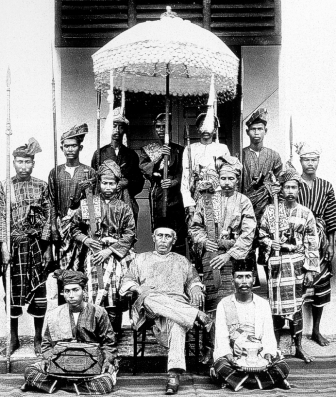
Bendahara Wan Ahmed

Long before the founding of the peninsula's powerful city of Melaka in 1400, the region was well-known for its abundant supplies of gold and tin along the Tembeling River. During its peak in the 8th and 9th centuries, the state of Pahang covered the entire southern half of the Malay peninsula under the rule of Srivijaya, a maritime empire based on trade. When this empire collapsed in 1000 AD, the Siamese were the first to move in and stake their claim, controlling Pahang until the rise of Melaka around the end of the 1400s.

The region's history of colonisation continued with the arrival of the first Europeans in 1511, when Melaka was captured by the Portuguese. As the struggle for control over this part of Southeast Asia intensified during this era, Pahang suffered from continual invasion and occupation. The Portuguese, Dutch, Acheh and Johor powers all fought battles with each other for nearly 200 years until Portuguese and Achenese influence waned in the early 17th century. This opened the door for the great Johor-Riau empire, based in Johor, to exert its control over Pahang without interference from the outside world.

But like all empires, the Johor-Riau state eventually collapsed, allowing a man named Bendahara Wan Ahmed to proclaim himself the Sultan of Pahang in 1882. Soon after, the British showed up on the scene. At first they simply appointed a British resident to interact with the sultan in 1888. But the British presence quickly evolved into imperialism, which at that time dominated much of South Asia.

The British didn't completely subvert the Malay peninsula during their colonial occupation. This allowed the culture to continue to develop on its own terms, resulting in the wonderful blend of cultures which still coexist today. Pahang state suffered a final indignation in the 1900s, when the Japanese occupied Malaysia during WWII. After the Japanese were defeated in 1945, Pahang joined the Federation of Malaya, which went on to gain full independence in 1957.

Since that momentous day, Pahang has enjoyed a steady and stabile economy. Although mainly fuelled by agriculture and manufacturing, tourism has become an increasingly strong source of income for the state. As Malaysia continues its growth and popularity as a travel destination, the state of Pahang looks set to reap the benefits as more visitors arrive to explore the untapped mountainous interior and beautiful coastline.

  1. Shopping
  2. Map Of Pahang
  3. Food Paradise In Pahang
  4. Tropical Fruits

Page 1 of 2

  • 1
  • 2
Website & Content © 2026 Tourism Pahang Darulmakmur | Fraser's Hill Development Corporation. All rights reserved. *Disclaimer: Tourism Pahang does not acknowledge any form of monetary donations or awards or gifts made in its name offered through any medium or format of communication. Tourism Pahang shall not be responsible for any untoward incidents, consequences or any detrimental reliance on such information or damages resulting from such acts including gambling, monetary donations or investment of any kind. Tourism Pahang only recognizes contests, competitions or similar activities that are managed and organized by Tourism Pahang officially, therefore, Tourism Pahang shall not be liable monetarily or otherwise against any third party’s claim.
Tourism Pahang
  • Home
  • Travel Info
    • Transportation
    • Travellers Essentials
      • History Of Pahang
      • The Government
      • Pahang In Brief
      • Weather
      • People And Culture
      • Handicraft
      • Tropical Fruits
      • Food Paradise In Pahang
      • Shopping
      • Getting to Pulau Tioman
      • Weekends & Public Holidays in Pahang
      • Birdwatching Paradise
    • Travel Agencies
    • Latest News
    • Downloads
    • Pahang Travel Guide Book 2026
  • Destination
    • Nature & Adventure
      • Bentong
        • Bentong Happy Farm
      • Temerloh
        • National Elephant Conservation Centre (NECC)
        • Smiling Mountain (Gunung Senyum)
        • Deerland
      • Lipis
        • Kenong Rimba Park
        • Taman Negara Sungai Relau
      • Jerantut
        • National Park (Taman Negara)
      • Raub
      • Lake Chini
      • Sungai Lembing
      • Rompin State Park
      • Bera
      • Maran
    • Highlands
      • Cameron Highlands
      • Genting Highlands
      • Bukit Tinggi
      • Fraser's Hill
      • Janda Baik
    • Islands & Beaches
      • Kuantan
        • Cherating Beach
        • Teluk Cempedak Beach
        • Sepat Beach
        • Balok Beach
        • Kuantan River Cruise
        • Beserah
      • Tioman Island
      • Pekan
      • Rompin
    • Must Visit Places in Pahang!
    • The Waterfalls Of Pahang
  • Calendar of Events
  • Map Of Pahang
  • Talk To Us
    • Tourism Pahang Office
    • ">Our Policies